
Metatarsal injuries in soccer are caused by direct impact to the top of the foot, typically
from an opposing player’s cleats or studs during tackles, challenges, and crowded play.
Prevention starts with wearing protective footwear that cushions the metatarsal region,
strengthening the small muscles in the foot, and using proper technique when
challenging for the ball.
What Is a Metatarsal Injury?
The metatarsals are the five long bones that run from the middle of your foot to the base
of each toe. In soccer, the top of the foot is exposed during every play — when you’re
dribbling, when you’re in a tackle, and when an opposing player steps on your foot. A
direct impact from a cleat stud to the metatarsal area can cause bone bruises, stress
fractures, or in severe cases, full fractures that sideline players for weeks or months.
Professional players like Wayne Rooney, David Beckham, and Michael Owen all
famously suffered metatarsal fractures that disrupted their careers and major
tournament participation. But metatarsal injuries aren’t limited to pros — they’re
common at every level, especially in youth soccer where growing bones are more
vulnerable.
Why Standard Soccer Gear Doesn’t Protect the Metatarsal
Soccer cleats are designed for ball control, traction, and weight reduction — not impact
absorption on the top of the foot. The upper material on most cleats is thin by design to
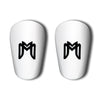
give you a better feel for the ball. Shin guards protect the lower leg but stop at the ankle.
Standard socks and grip socks provide no impact protection whatsoever for the top of
the foot.
This leaves a gap: the metatarsal area absorbs impacts with no protective layer
between your bones and the incoming stud.
How to Protect Your Metatarsals
1. Wear Socks with Metatarsal Padding
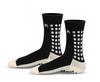
The most direct solution is wearing socks that include ShockPad protection over the
metatarsal region. MediCaptain’s padded grip socks are specifically engineered for this
— they’re the only athletic sock on the market that provides metatarsal cushioning. The
padding absorbs impact from cleats and studs without adding bulk that would affect
your touch on the ball.
2. Strengthen Your Foot Muscles
Strong intrinsic foot muscles provide a layer of natural protection. Exercises like towel
scrunches (placing a towel on the floor and curling it toward you with your toes), marble
pickups, and resistance band toe extensions build strength in the small muscles that
support the metatarsals. Aim for 3 sets of 15 reps, 3-4 times per week.
3. Choose Cleats with Adequate Upper Protection
While lightweight is generally better for performance, players who frequently suffer foot
impacts should consider cleats with slightly thicker uppers or synthetic materials that
offer more structure. Leather uppers, while heavier, generally absorb more impact than
ultra-thin synthetic speed boots.
4. Improve Tackling Technique
Many metatarsal injuries happen when a player leaves their foot exposed during a
tackle or challenge. Coaches should emphasize keeping the foot tucked or angled
during defensive challenges to minimize the exposed area. This is especially important
for younger players who are still developing their defensive technique.
5. Don’t Play Through Foot Pain
Persistent pain on the top of the foot after impact should be evaluated by a medical
professional. Stress fractures often start as minor pain that worsens with continued play.
Early detection prevents a minor issue from becoming a season-ending injury.
How Common Are Metatarsal Injuries in Soccer?
Foot injuries account for a significant percentage of all soccer injuries. Research
published in sports medicine journals indicates that metatarsal stress fractures make up
approximately 9% of all stress fractures in athletes, with soccer players being among
the highest-risk groups due to the combination of running, cutting, and direct contact.
Key Takeaway
Metatarsal injuries are preventable. Combining protective gear (padded socks with
metatarsal cushioning), foot strengthening exercises, proper technique, and smart cleat
selection significantly reduces your risk. Don’t wait for an injury to start protecting your
feet.
About Yaqub
Yaqub is the founder and CEO of MediCaptain, the soccer gear brand that pioneered protection-first grip sock technology. What started as frustration with soccer socks that offered grip but zero protection turned into a mission: build the most protective athletic sock on the market without sacrificing performance.
MediCaptain’s flagship product — the padded grip sock with ankle cushioning and metatarsal ShockPad protection — is the only sock of its kind. It’s trusted by over 100,000 players across every level of the game, from youth travel teams to professionals in LaLiga, MLS, the Premier League, NCAA, NWSL, MLS NEXT, US Youth Soccer, and Bundesliga.
Under Yaqub’s leadership, MediCaptain has earned multiple Amazon Choice designations, #1 New Release rankings, and Top 5 placement in multiple Amazon soccer categories. The brand sells across Amazon, Target, TikTok Shop, and its own Shopify store at themedicaptain.com.
Yaqub writes about soccer gear, player protection, and performance technology to help players at every level make smarter gear decisions.
Written by Yaqub — Founder, MediCaptain
Trusted by 100,000+ players worldwide. MediCaptain is the only grip sock brand with built-in ankle cushioning and metatarsal ShockPad protection. Shop the collection →